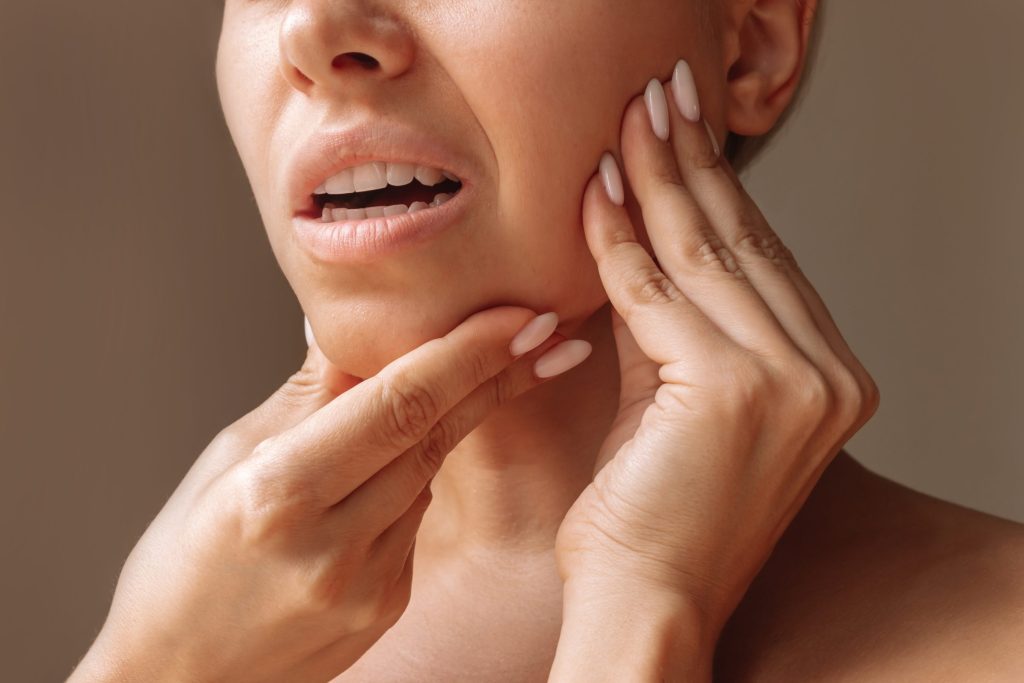
If you’ve been experiencing Jaw Pain that comes and goes, it can be difficult to describe and even harder to know where to start. You might feel a dull ache near the front of your ears, tightness in your jaw muscles, or sharp pain when you yawn or take a big bite. Some people also notice headaches, a toothache that’s hard to pinpoint, or ringing and ear pain that doesn’t seem related to their teeth. When symptoms overlap like this, it’s common to wonder if the cause is “dental,” “sinus,” or something else entirely.
One possible root cause is the temporomandibular joint, often called the jaw joint, and the surrounding soft tissues. When this area becomes irritated or overworked, it can lead to a group of symptoms often referred to as TMJ disorder, temporomandibular disorder, or temporomandibular joint disorder. While you can’t diagnose yourself from an article, the team at Steve A. Sato, DDS can help you understand these connections so you feel more confident seeking professional help and choosing next steps to support your quality of life.
What is the temporomandibular joint, and why can it affect so much?
The temporomandibular joint is where your lower jaw meets your upper jaw, guiding movement for talking, chewing, and swallowing. Because this joint is close to the side of your head and the front of your ears, irritation here can feel like ear pain, pressure, or tenderness spreading into the sides of your face. You may even notice clicking, popping, or a sense that your bite alignment has changed.
This area relies on coordination between the jawbone, muscles, and ligaments. When the system is under excessive pressure, your jaw muscles can become sore and fatigued, and joint pain may appear during chewing. Over time, discomfort can influence posture and contribute to neck pain or muscle pain across the shoulders, especially if you’re tensing without realizing it.
Could my jaw pain and ear pain be from TMJ?
Jaw pain and ear pain often occur together because the jaw joint and nearby structures share close space and nerve pathways. When your jaw hurts, it may feel like the pain is “in” the ear, even if the ear itself is healthy. This is one reason many patients search for answers online, especially if they’ve also been dealing with a stuffy nose, sinus issues, or chronic sinusitis.
TMJ disorder can mimic other jaw problems, including a feeling of fullness near one ear, pain on the side of your jaw, or tension on the side of your mouth. Some people feel symptoms on one side, while others feel them on both sides of the face. If you’re also noticing headaches or migraines, the connection can be even more frustrating because it impacts sleep, focus, and comfort throughout the day.
Tooth wear and bruxism: when clenching and grinding leave a mark
Tooth wear is one of the clearest signs that your bite may be experiencing repeated stress. Bruxism, which includes grinding and jaw clenching, can happen during sleep or while concentrating, driving, or managing stress. Many people are surprised to learn they have bruxism symptoms because they don’t remember doing it, yet they wake up with an ache, stiffness, or severe jaw pain.
Over time, bruxism can wear down enamel and make teeth look shorter or flatter. It can also lead to cracks, sensitivity, gum irritation near the edges of the teeth, and dental problems requiring treatment to protect tooth structure. When the bite is under repeated strain, you may notice difficulty chewing certain foods or shift how you chew to avoid discomfort, which can add to muscle fatigue.
Common TMJ and bite-related symptoms patients notice first
Patients often describe these concerns in everyday terms, which can be helpful information for your dentist during a consultation. Symptoms vary by person and type of jaw pain, but patterns can matter.
You might notice:
- A sore or tight feeling in the jaw muscles, especially in the morning
- Clicking or catching in the jaw joint during movement
- Tenderness near the front of your ears or on the side of your head
- Jaw clenching during concentration or stress
- Headaches, facial soreness, or a tired feeling in the cheeks
- Uneven tooth wear, sensitivity, or a hard-to-locate toothache
- Pain spreading into the neck area, especially after a long day
These symptoms of TMJ disorder can also appear alongside malocclusion (a bite that doesn’t fit together comfortably). For some people, past orthodontic treatment or changes to dental restorations can affect how the teeth meet, adding strain to the system even when the teeth look straight.
When jaw symptoms need immediate medical attention
Most jaw-related discomfort isn’t an emergency, but it’s important to stay aware of warning signs. Severe pain, swelling, fever, difficulty breathing, or trauma may need urgent evaluation. Jaw and facial pain can also overlap with other conditions requiring immediate medical attention.
If you experience chest pressure, shortness of breath, sweating, nausea, or pain radiating down the arm, seek emergency care immediately, as these can be signs of a heart attack. If your jaw suddenly locks open or you suspect a dislocation, contact a healthcare provider promptly. Your safety comes first, and getting evaluated quickly helps rule out serious complications.
What you can expect from a professional evaluation for TMJ problems
When you schedule a professional evaluation for TMJ problems, you deserve a calm and unhurried pace. You can expect to discuss what you’ve been feeling, when it started, and what makes it better or worse. Sharing whether symptoms are on one side of your jaw, both sides, or near your mouth helps narrow down patterns.
Your dentist may check how your teeth fit together, how smoothly your jaw moves, and whether the jaw muscles feel tender. You may also be asked about habits like clenching, chewing gum, or biting nails, as these can add excessive pressure to the system. If inflammation, arthritis, or other factors are suspected, your dentist can discuss treatment options and whether additional evaluation is needed.
Splint therapy: a conservative, non-invasive step toward relief
For many patients, splint therapy is a conservative approach that supports comfort while protecting the teeth. A splint is a custom oral appliance that fits over the teeth and helps reduce strain from grinding and jaw clenching. Some patients think of it as a supportive “buffer” that helps the jaw settle into a more relaxed position while reducing contact that accelerates tooth wear.
If a splint is recommended, you can expect clear instructions on when to wear it and how to care for it. Your dentist will also explain what changes to look for, such as reduced morning tightness, fewer headaches, or less discomfort during chewing. This approach can be especially helpful when the goal is to address the root cause of wear and muscle strain while avoiding invasive steps.
How TMJ care connects to long-term dental health
When the jaw joint and muscles are under constant stress, it can influence many parts of your oral health. Tooth wear can make teeth more sensitive and vulnerable to cracking. Over time, this can lead to dental problems requiring restorative care, including protecting the structure of a damaged tooth.
In some cases, patients ask how splint therapy fits alongside other care they may need, such as dental crowns, fillings, or implants. The goal is to keep your bite stable and comfortable so that any dental treatment supports long-term function. When your jaw feels balanced, daily life often feels easier, from eating comfortably to sleeping soundly.
A steady next step if jaw pain is affecting your daily life
Living with jaw pain can be draining because it’s present during unavoidable moments like eating, talking, and trying to fall asleep. If you’ve noticed tooth wear, clicking, headaches, or discomfort near the front of your ears, it’s reasonable to ask for guidance and a clear plan. You deserve to feel heard and receive explanations that make sense.
If you’re in Dayton, Ohio, and would like to discuss your symptoms, our team is here to help you feel comfortable, informed, and confident. When you’re ready, schedule a TMJ Treatment visit to explore a professional evaluation and whether splint therapy could support relief and protect your smile over time.