You’re settling into the dental chair for a routine visit, and your dentist mentions a small cavity. You may be thinking about how the filling will look, how long it will last, and whether the appointment will be comfortable. It’s also completely reasonable to wonder something else: what, exactly, is going into your tooth?
For many Dayton families, questions about BPA-free dental fillings and other biocompatible materials come from a practical place. You want to make informed choices about your dental care, limit unnecessary chemical exposure when possible, and feel confident about the dental materials used in your mouth. At Steve A. Sato, DDS, we approach these conversations with the same goal we bring to every visit: helping you feel comfortable, informed, and supported in decisions that protect your oral health.
Why patients ask about bisphenol A (BPA) and dental materials
You’ve likely heard about bisphenol A in everyday items such as water bottles, food containers, and baby bottles. It often comes up in conversations about plastics and synthetic chemicals, and some people worry about BPA exposure adding up over time. BPA is widely discussed because it has been studied as a possible endocrine disruptor, meaning it may interfere with hormones.
In dentistry, the topic usually centers on traditional dental materials used for restorations and whether a dental filling could contribute to the release of BPA. Patients managing health concerns, raising young children, or navigating pregnancy often want to reduce avoidable health risks. Others simply feel more comfortable choosing dental work that fits a holistic approach to overall health.
Are BPA-free dental fillings right for me?
If you’ve been reading about “clean” products or hearing worrying things online, it can be hard to sort out what matters for your health. A helpful starting point is to focus on your personal priorities and your mouth’s specific needs. You might be most concerned about metal-free options, possible allergic reactions, durability for back teeth, or preserving natural tooth structure.
When you visit our dental practice in Dayton, you can expect a clear conversation about options, including what material is being recommended and why. You’re never expected to make a decision on the spot without understanding the tradeoffs. The goal is a restorative material that fits your tooth, your bite, and your comfort level with different dental materials.
Understanding common filling types: composite, ceramic, and glass ionomer
Not all cavities are the same, and not all fillings match the same situation. The size of the cavity, where it sits on the tooth, your bite forces, and moisture control all influence what your dentist may recommend. When patients ask about white fillings, metal-free choices, or a more biologically minded option, these are the materials that often come up.
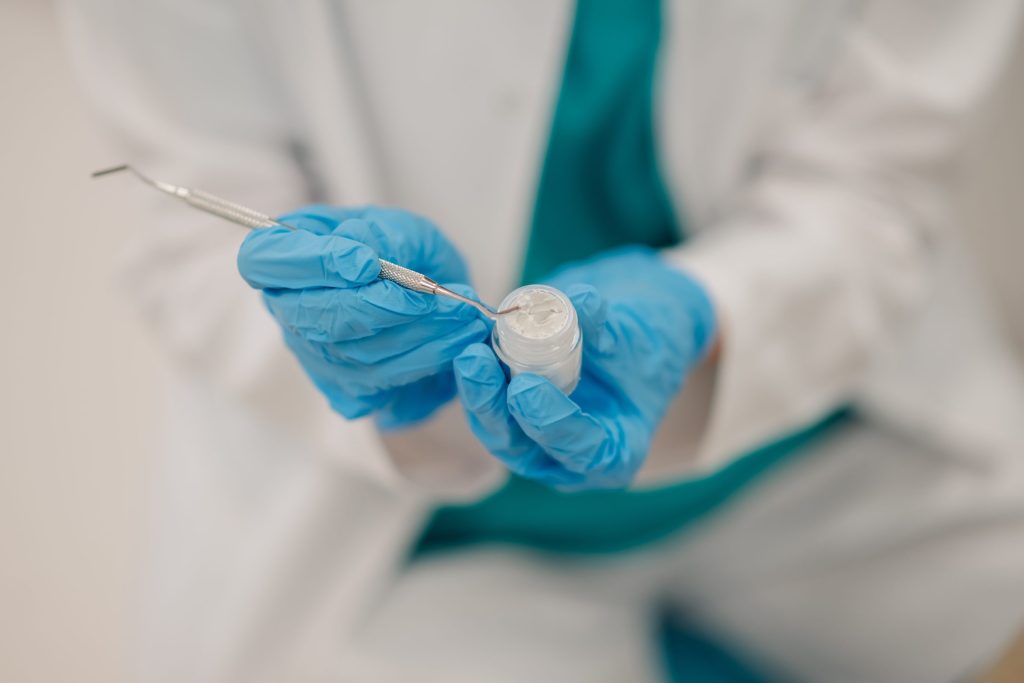
In our office, BPA-free options can include BPA-free composite resins, ceramic inlays and onlays, and glass ionomer fillings. Each has its own strengths, and the “best” choice depends on your tooth and your goals for comfort, appearance, and function.
BPA-free composite fillings: a natural look with strong bonding
Composite fillings are tooth-colored restorations that can be shaded to blend with your smile. Many patients appreciate how composite materials look because there’s no dark metal showing, especially when you laugh or speak. Composite resins also bond to the tooth, which often supports a conservative approach that helps preserve healthy, natural tooth structure.
If you’re looking for BPA-free dental fillings, BPA-free composite resins are a common option to discuss. Patients often ask about durability, and while every mouth is different, composites are designed to hold up to daily chewing when placed appropriately. Your comfort matters, too, so we focus on explaining what to expect during the dental procedures involved, including numbing, preparing the tooth, and shaping the filling so your bite feels natural afterward.
Ceramic inlays and onlays: a BPA-free option for larger restorations
When a cavity or old restoration is larger, your dentist may recommend something more substantial than a standard dental filling. Ceramic inlays and onlays can be a good fit in these cases, particularly for patients who prefer ceramic fillings that are BPA-free and metal-free.
Ceramic is often chosen for its strength and its natural appearance. It can also be a reassuring choice for patients interested in biocompatible materials or holistic dentistry, especially when they want to avoid silver fillings. If you’re considering this option, you can expect a thoughtful explanation of why it’s being recommended, what the process involves, and how it supports long-term oral health.
Glass ionomer fillings: gentle, practical support in specific situations
Glass ionomer fillings are another option that comes up often in conversations about BPA-free fillings, especially for children or for specific conservative treatments. One reason many parents like this material is that it can release fluoride, which helps support teeth that are more vulnerable to tooth decay.
This option is not a universal solution for every cavity, and we take the time to talk through where it tends to work best. If your child needs a filling or you’re an adult who wants a conservative approach in a particular area, glass ionomer may be worth discussing alongside other BPA-free dental fillings options.
What about current fillings, silver amalgam, and mercury questions?
Many people in Dayton have current fillings from years ago, and some of them are silver amalgam restorations. Patients sometimes ask about the dangers of mercury poisoning, toxic substances, or adverse health effects. These questions can feel personal, especially if you’re dealing with a wide variety of problems and trying to reduce possible triggers.
Our approach is straightforward and patient-centered. A small percentage of amalgam fillings are still placed in limited cases, such as patient request, insurance constraints, or when Dr. Sato determines it is the most appropriate choice based on tooth structure. More often, patients ask about replacing older silver fillings with tooth-colored options. If removal is appropriate, it is done with safe protocols that include high-volume suction and careful handling to minimize exposure to particles and vapors.
Just as important, we can help you decide whether a replacement makes sense based on the condition of the filling, the health of the tooth, and your personal preferences. Some patients want a timeline for future fillings; others prefer to address problems only when a filling is failing. Either way, you deserve a plan that feels calm, clear, and respectful.
What you can expect if you need a filling
Cavities can be hard to see on your own, and early tooth decay does not always cause symptoms. If you do notice sensitivity to hot, cold, or sweets, or if floss keeps catching in one spot, it’s worth scheduling an exam. A diagnosis lets you make decisions early, when treatment can be simpler and more conservative.
If a filling is recommended, you can expect local anesthetic so you stay comfortable. The decayed portion of the tooth is removed, the area is cleaned and dried, and the filling material is placed, shaped, and cured. Before you leave, we check your bite and answer questions about what you may feel afterward. Many patients return to normal activities the same day, with guidance tailored to the type of dental treatments completed.
Green Dentistry: how eco-conscious care can support patient health
For patients seeking a holistic dentist or a holistic dental practice, Green Dentistry often feels like a values match. It connects your dental care choices with a broader interest in reducing harmful chemicals, supporting overall health, and making thoughtful decisions about materials used in the body.
In our office, Green Dentistry includes practical steps that patients can feel good about, such as using digital radiography that can reduce radiation exposure and making mindful choices about waste handling and sustainability. These efforts are designed to support both patient health and environmental responsibility, without adding complexity to your visit. You still receive the same focused, personalized care, with added attention to chemical exposure and material selection as an important consideration.
Questions to ask at your next visit about BPA-free dental fillings
If you’re exploring BPA-free dental fillings or want to understand what is already in your mouth, it helps to bring your questions with you. A supportive dental team will welcome them, not rush past them. Consider asking:
- Which restorative material are you recommending for my tooth, and why?
- Are BPA-free composite resins, ceramic inlays and onlays, or glass ionomer fillings options for my situation?
- How will this choice affect durability, appearance, and my natural tooth structure?
- If I have amalgam fillings, do they look stable, or are there signs they need attention?
- What steps do you take to minimize exposure if an old filling is removed?
Clear answers can ease anxiety and help you feel grounded in your decision.
A calm next step for families in Dayton, Ohio
If you’ve been thinking about biocompatible materials, biological dentistry, or you simply want to understand your options for a dental filling, we’re here to talk it through with you. Our goal is to help you feel comfortable, informed, and confident during every visit, whether you’re coming in for preventive care or you’re ready to replace or repair a filling.
When you’re ready, you’re welcome to contact Steve A. Sato, DDS in Dayton to schedule an exam or consultation. We’ll take the time to listen to your concerns, review your options for BPA-free dental fillings, and help you choose a plan that supports your oral health for years to come.