If you have wisdom teeth and they are not hurting, it’s natural to wonder if anything needs to be done. Many people assume wisdom teeth removal is always required, but the right plan depends on what’s happening in your mouth, how the teeth are developing, and whether they pose a risk to your oral health.
At Steve A. Sato, DDS in Dayton, Ohio, we aim to help you feel comfortable, informed, and confident during every visit. A common question we address is: do wisdom teeth need to be removed? In many cases, the answer is “not automatically.” The best next step is a thoughtful evaluation and a plan tailored to your needs.
Why wisdom teeth cause questions (even when you feel fine)
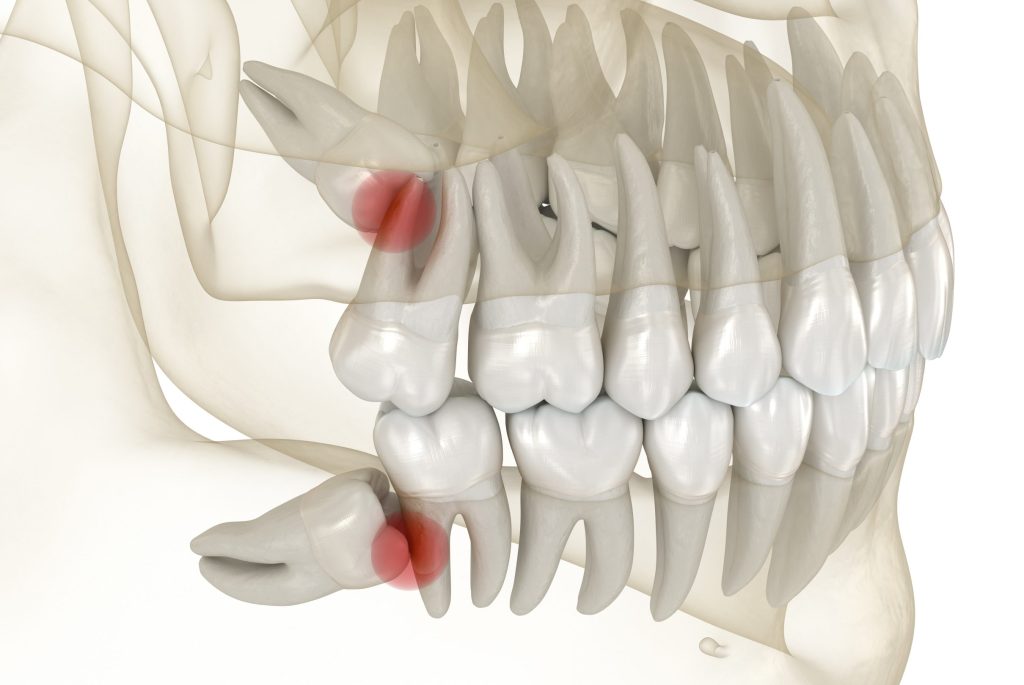
Your wisdom teeth, or third molars, are usually the last teeth to develop. They sit in the very back of the mouth, where brushing and flossing can be harder. Some people have enough space for their wisdom teeth to come in normally, while others do not, leading to teeth that are trapped under the gums or come in at an angle.
Even without pain, changes can occur under the gum tissue or within the surrounding bone. Regular dental visits and X-rays are essential to understanding what’s happening and whether monitoring or wisdom teeth extraction is the best option for your long-term comfort and function.
Do wisdom teeth need to be removed if they don’t hurt?
If you’re searching “do wisdom teeth need to be removed,” you’re not alone. Many patients are surprised to learn that discomfort isn’t the only factor we consider. Some wisdom teeth remain quiet for years without causing problems, while others create hidden issues, such as pressure on nearby teeth, a higher risk of tooth decay, or inflammation that can lead to gum disease.
A healthy, well-positioned wisdom tooth with enough space to stay clean may only need routine observation. However, if the tooth is hard to clean, partially covered, or pressing into an adjacent tooth, removal may be recommended to prevent future problems. Our goal is to guide you toward the safest option for your overall oral health, with clear explanations and no rushed decisions.
Common reasons an extraction may be recommended
Wisdom teeth often become problematic due to their position and how they interact with the rest of your bite. A common issue is an impacted wisdom tooth, which cannot fully emerge into a normal position. Impaction can irritate the gums, affect surrounding teeth, and increase the likelihood of infections.
Another concern is a partially erupted tooth, where a flap of gum tissue covers part of the tooth. This area can trap food particles and bacteria, leading to swelling, bad breath, or a bad taste. Repeated tenderness or recurrent infections in the same area may indicate that monitoring alone isn’t enough.
Crowding is another factor. Wisdom teeth can create pressure in the back of the mouth, which is especially concerning for patients who have undergone orthodontic treatment. If you’ve had years of orthodontic work, it’s worth discussing how wisdom teeth might affect the stability of your results.
Signs that mean you should schedule an evaluation
Wisdom teeth concerns don’t always present as sharp pain. Subtle signs can indicate a problem, and an exam can help clarify what’s happening. Common symptoms include:
- Swollen or tender gums near the back of your mouth
- Bleeding around the gumline or irritation of gum tissue
- Persistent bad breath or a lingering bad taste
- Trouble chewing on one side due to a sore affected area
- Jaw stiffness or tightness when opening wide
- Food frequently getting stuck around the far molars
These symptoms may signal inflammation, trapped debris, or early infection. A thorough evaluation can provide clarity and a clear plan.
What we look for when deciding whether to remove wisdom teeth
The decision about wisdom tooth removal should be personal, not automatic. During an exam, we focus on what will keep you comfortable now and support your long-term dental health. We assess whether the teeth are likely to stay healthy and cleanable, and whether they’re harming surrounding structures.
Key considerations include whether there’s enough space behind your second molars, whether the wisdom teeth are pushing into adjacent teeth, and whether their position increases the risk of cavities. We also evaluate the complexity of the extraction, as this affects the procedure and recovery. In rare cases, we monitor for concerns like cysts, which can damage nearby areas if untreated.
Anatomy also plays a role. For example, upper wisdom teeth may sit near the sinus cavity, which doesn’t always cause problems but is part of the planning process.
What to expect if surgical extraction is the best option
Hearing “oral surgery” can feel intimidating, especially if it’s your first surgical dental visit. Our team takes time to explain each step in plain language, so you know what to expect before, during, and after the procedure. At our Dayton clinic, we perform surgical tooth extractions for single teeth, multiple teeth, and wisdom teeth (third molars).
Surgical extractions are often recommended for teeth that are broken, lodged below the gumline, or impacted. These procedures may involve carefully working through the gum and supporting structures. For patients who feel anxious or when the procedure is more complex, sedation can make the experience more manageable. We offer IV-administered general anesthesia through a visiting prosthodontist and will discuss sedation options to help you make an informed decision.
Some patients wonder if they need an oral surgeon. In the United States, wisdom teeth are removed by both general dentists and specialists, such as maxillofacial surgeons. What matters most is choosing a provider who listens to your concerns, evaluates your case carefully, and prioritizes your comfort.
Recovery process basics: protecting the extraction site and getting back to normal
After wisdom teeth extraction, most patients want to know what recovery will feel like and how soon they can return to normal activities. While guidance is tailored to your situation, there are common themes for smooth healing.
In the early stage of recovery, your body forms a blood clot in the socket, which is essential for healing. Disrupting this clot can lead to dry sockets, which are painful and slow the healing process. Gentle home care, following instructions, and taking it easy for a short time can help reduce this risk.
Eating soft foods initially can also help while tenderness subsides. Gradually reintroducing your usual diet as you feel comfortable is typically recommended. If you have questions during recovery, don’t hesitate to reach out. A supported recovery often leads to a more positive experience.
Thinking ahead: how wisdom teeth connect to preventive dental care
Even if you don’t need wisdom tooth removal today, wisdom teeth should be part of your long-term dental care plan. Because they sit so far back, they’re harder to keep clean, increasing the risk of tooth decay for both the wisdom tooth and the neighboring molar. In some cases, decay or infection near a wisdom tooth can affect the adjacent tooth, potentially leading to more extensive treatments like fillings or even root canal therapy.
Preventive visits make it easier to monitor changes over time and catch problems early. If removal is recommended, you’ll understand why and what timing makes sense for you.
A gentle next step if you’re unsure
If you’ve been asking, “do wisdom teeth need to be removed in my case?” you deserve an answer based on your anatomy, symptoms, and goals. At Steve A. Sato, DDS, we take the time to listen to your concerns and explain your options clearly. If extraction is recommended, we’ll discuss what surgical removal involves and review comfort-focused anesthesia options, including IV-administered general anesthesia when appropriate.
When you’re ready, schedule an evaluation at our Dayton office. Our team is here to help you understand what’s happening in the back of your mouth and what steps will support your long-term oral health.